
Exploring the fascinating history of gambling How it shaped cultures worldwide
The Origins of Gambling
The history of gambling dates back thousands of years, with evidence found in ancient civilizations such as Mesopotamia and China. Archaeological findings suggest that dice, made from bones and wood, were utilized for games of chance as early as 3000 BC. These early forms of gambling were often intertwined with religious rituals and social gatherings, reflecting their significance in societal structures. Today, many people enjoy engaging with platforms offering the best online casino real money, showing how gambling continues to impact social lives.
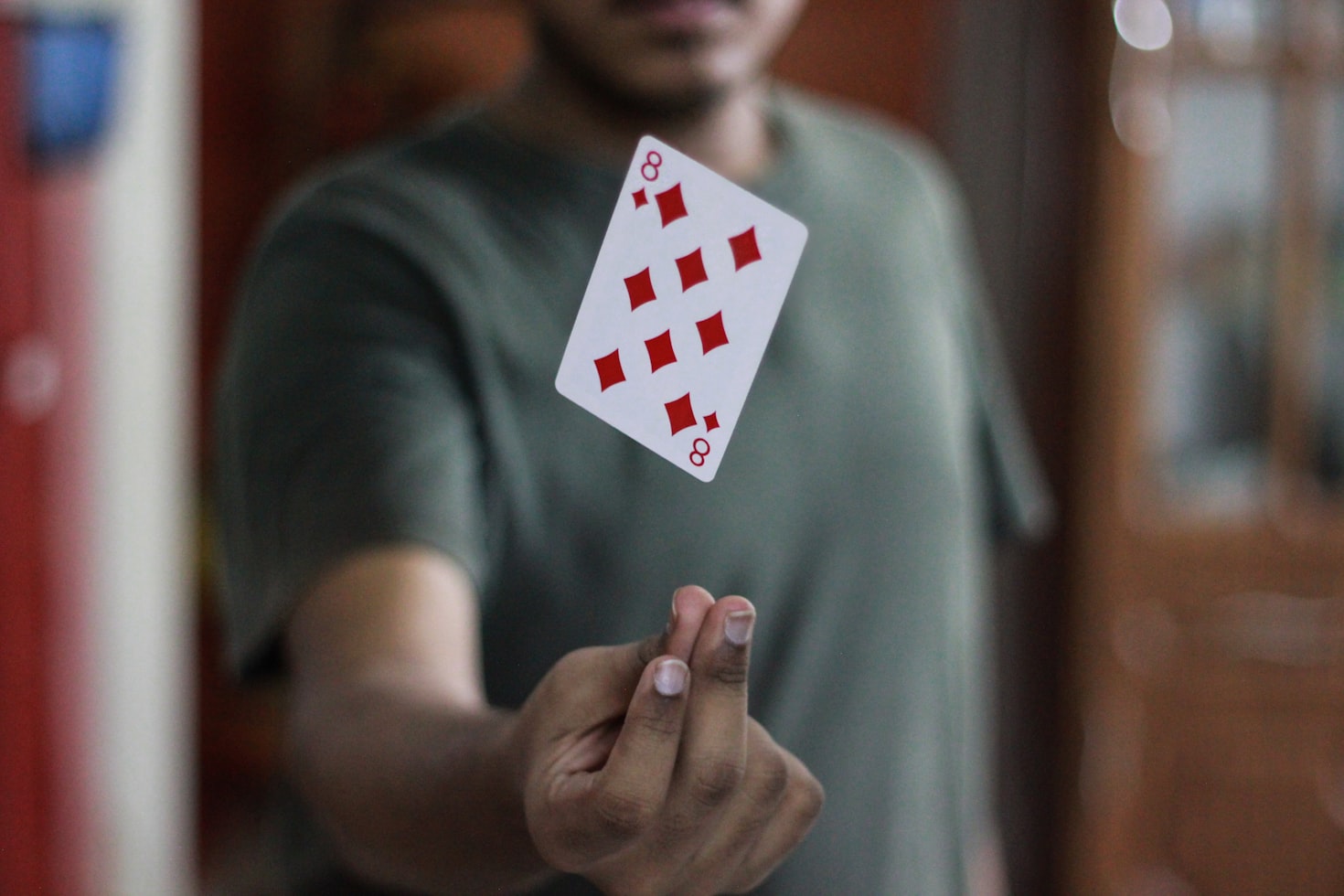
As civilizations evolved, so did the complexity of gambling practices. The ancient Greeks and Romans adopted various betting games, which not only served as entertainment but also as a means of social interaction. The Romans, in particular, popularized games involving chariot races and gladiatorial contests, further embedding gambling into their culture and social hierarchy.
Gambling in the Middle Ages
During the Middle Ages, gambling experienced both growth and suppression. While it was seen as a noble pastime among the aristocracy, it also faced condemnation from religious authorities. Many societies viewed gambling as a vice, leading to fluctuating attitudes toward its acceptance. Despite this, games such as dice and card games thrived, especially in the courts of kings and queens.
This period also witnessed the establishment of the first gambling houses in Europe, which evolved into the modern casinos we recognize today. The blend of chance and strategy in card games became immensely popular, laying the groundwork for various gambling traditions that continue to flourish in contemporary society.
The Global Spread of Gambling
With the advent of colonialism and globalization, gambling spread to various corners of the world, adapting to local cultures and traditions. In Asia, for instance, games like mahjong and baccarat became culturally significant, often associated with family gatherings and celebrations. Meanwhile, in the Americas, indigenous gambling practices developed, with games rooted in community and storytelling.
This global interchange not only diversified the types of gambling but also influenced cultural perceptions. In some cultures, gambling is celebrated as an integral part of social life, while in others, it is viewed with skepticism. The diversity of these practices showcases the rich tapestry of human interaction with chance and luck.
The Impact of Gambling on Modern Society
Today, gambling is a multi-billion-dollar industry that significantly impacts economies and social frameworks. With the rise of online gambling platforms, accessibility has expanded, attracting a broader demographic. This evolution has sparked discussions about responsible gaming and the need for regulations to prevent addiction and other negative outcomes.
Moreover, gambling has found its way into popular culture, influencing music, literature, and film. The portrayal of gambling in media often romanticizes the thrill of risk, yet it also serves as a cautionary tale about the potential consequences of addiction, reflecting society’s complex relationship with this age-old practice.

Discover More About Gambling’s Rich History
This website aims to delve deeper into the multifaceted history of gambling, exploring its cultural significance across different societies. Through detailed articles and insights, we seek to provide a comprehensive understanding of how gambling has shaped human interaction and culture over the centuries.
Join us on this journey as we examine various aspects of gambling, from its historical roots to its modern-day implications. Our goal is to enlighten readers about the profound effects of gambling on societies worldwide and promote responsible gaming practices for a healthier approach to this captivating activity.
Recent Comments