
Exploring the psychology behind gambler’s fallacy Why do we believe in luck
The Gambler’s Fallacy Explained
The gambler’s fallacy is a common cognitive bias that leads individuals to believe that past random events can influence future outcomes in a game of chance. For example, if a coin has landed on heads several times in a row, a player may wrongly assume that tails is “due” to occur next. This misconception stems from a misunderstanding of probability and randomness, where people feel a psychological need to impose patterns on what is inherently random. In this landscape, players seeking reliable platforms might consider exploring payid online casino to enhance their experience.
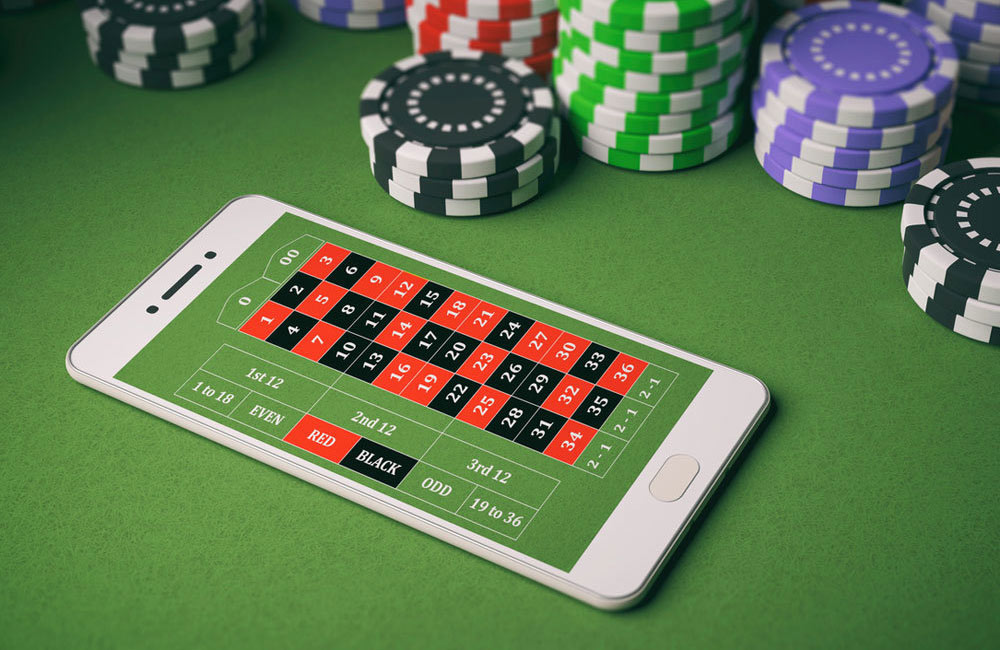
At its core, the gambler’s fallacy reflects a deeper psychological tendency to seek control and predictability in uncertain situations. When individuals gamble, the stakes are high, and the potential for loss can trigger anxiety. Consequently, the belief in luck and patterns can provide a false sense of security, allowing gamblers to rationalize their risky behaviors and decisions.
The Role of Cognitive Biases
Cognitive biases significantly shape our understanding of luck and chance, particularly in gambling contexts. Confirmation bias, for instance, leads individuals to focus on information that supports their existing beliefs, ignoring evidence that contradicts them. Gamblers may remember their winning streaks and dismiss their losses, reinforcing the idea that luck is a controllable factor.
This selective attention to outcomes can create a cycle of reinforcement, where players become more entrenched in their beliefs about luck over time. By attributing wins to skill and losses to bad luck, gamblers perpetuate the fallacy that they can influence random outcomes through their actions or emotions.
Celebrity Gamblers and the Fallacy
Celebrity gamblers often exemplify the gambler’s fallacy, as they attract significant media attention and public fascination. Their high-profile wins and losses can lead fans to emulate their behaviors, believing that luck can be cultivated through particular strategies or rituals. This phenomenon highlights how public figures can inadvertently reinforce the idea that luck is a tangible, controllable entity.
Moreover, the narratives surrounding celebrity gamblers often overlook the reality that luck is, by nature, unpredictable. Fans may idolize these individuals and adopt a misguided belief in their ability to consistently beat the odds. This reinforcement of the gambler’s fallacy can have detrimental effects on the viewing audience, leading them to replicate risky gambling behaviors without understanding the underlying probabilities.
The Psychological Need for Luck
The belief in luck often fulfills a psychological need for comfort and certainty in the chaotic world of gambling. Many individuals turn to games of chance as a form of escapism, allowing them to momentarily forget their everyday struggles. In this context, luck becomes an alluring concept that offers hope and the possibility of a life-changing win.
Furthermore, the cultural narratives surrounding luck vary widely across societies, influencing how individuals perceive and engage with gambling. For instance, certain cultures may attribute success to fate or divine intervention, which further reinforces the belief that luck is an external force that can be harnessed. This belief can drive people to gamble more frequently, hoping for a fortunate turn of events.

Enhancing Your Gambling Experience with Knowledge
Understanding the psychology behind the gambler’s fallacy can significantly enhance your gambling experience. By recognizing that luck is inherently unpredictable and influenced by cognitive biases, players can make more informed decisions. This understanding can lead to healthier gambling habits, reducing the tendency to chase losses or rely on superstition.
Moreover, engaging with knowledgeable platforms about gambling strategies and probabilities can empower players. By focusing on skill development and rational decision-making, individuals can approach gambling with a balanced perspective, ultimately leading to a more enjoyable and responsible gaming experience.
Recent Comments