
Understanding the hidden psychology behind gambling behaviors in casinos
The Allure of Casino Design
Casino design plays a crucial role in attracting and retaining players. The layout, colors, and ambiance are meticulously crafted to create an inviting atmosphere that encourages prolonged engagement. Bright lights, vibrant colors, and the strategic placement of machines and tables create an environment that stimulates excitement and a sense of urgency. For example, many players find themselves drawn to the pin up casino experience, where the immersive atmosphere often overshadows rational decision-making, leading them to spend more time and money than they initially intended.

Moreover, the lack of windows and clocks in many casinos further enhances this psychological effect. By isolating players from the outside world, they lose track of time, making it easier to indulge in gambling without the constraints of reality. This sensory deprivation, combined with captivating design, can trigger a heightened emotional state, pushing players to chase the thrill of winning, often disregarding the odds stacked against them.
The Role of Reward Systems
The psychology of gambling is deeply intertwined with reward systems. Casinos employ various incentives to create a sense of anticipation and excitement around potential wins. The intermittent reinforcement schedule, which involves rewarding players unpredictably, heightens the thrill of the game. Players may experience a rush of excitement when they win, reinforcing the behavior and encouraging them to continue gambling in hopes of future rewards.
This mechanism mirrors the psychological principles seen in behavioral psychology, where rewards can lead to habit formation. As players win occasionally, they may become conditioned to keep playing, believing that a larger win is just around the corner. This can lead to a cycle of continuous play, where the thrill of winning overshadows the reality of losses.
Social Influence and Group Dynamics
Social interactions within casinos significantly impact gambling behavior. The presence of other players can create a communal atmosphere that enhances the overall experience. Observing others winning or celebrating can evoke emotions like excitement and envy, prompting individuals to join in and gamble themselves. This social pressure can often lead to impulsive decisions and increased spending.
Add to this the phenomenon of “social proof,” where individuals look to others to gauge the appropriateness of their behavior. In a casino setting, witnessing others engage in high-stakes gambling can create a perceived norm that encourages similar behavior, even if it defies personal financial limits. This collective experience often fuels a sense of camaraderie, further entrenching players in the gambling environment.
The Influence of Emotions on Gambling Choices
Emotions play a pivotal role in gambling behavior, often steering decision-making in ways that contradict logical thinking. Many players enter casinos seeking an escape from their daily lives, using gambling as a form of emotional release. This can make them more susceptible to making reckless choices under the influence of heightened emotions such as excitement or frustration.
The psychological concept of “loss aversion” also comes into play. Players are generally more motivated to avoid losses than to pursue gains. This can lead to chasing losses, where individuals continue to gamble in hopes of recovering what they have lost. Such emotional responses can cloud judgment and result in significant financial consequences, reinforcing the casino’s grip on the player.
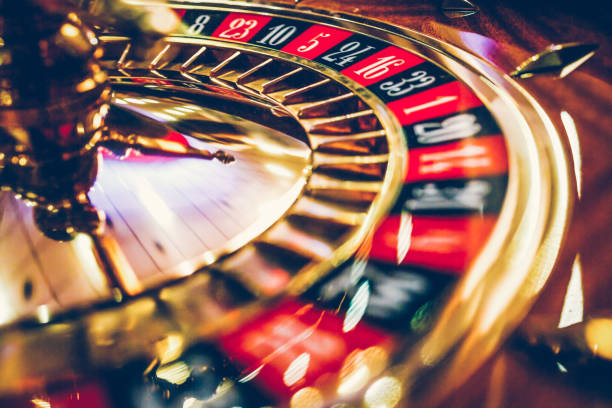
Understanding Casino Behavior Through a Psychological Lens
By delving into the psychology behind gambling behaviors, we can better understand why individuals engage in such activities despite the risks involved. The combination of enticing design, reward systems, social dynamics, and emotional influences creates a perfect storm that fosters addiction. Recognizing these factors can empower players to make more informed choices and approach gambling with a healthier mindset.
For those looking to explore this intriguing intersection of psychology and gambling, the insights provided can serve as a foundation for greater awareness and understanding. By being mindful of the psychological triggers at play, individuals can mitigate the risks associated with gambling and enjoy a more balanced experience.
Recent Comments